

Natural Gas ESD Valve for Pipeline Integrity
- 2026-07-10 15:18:12
- admin
- NO COMMENTS
Natural Gas ESD Valve: A Critical Component for Pipeline Integrity
Introduction
Understanding the Role of ESD Valves
Just before sunrise at a gas metering station, the line looks calm. The upstream pressure is steady, the skid heaters are doing their job, and the control room trend appears normal from a distance. Then the field engineer notices two small signs that usually show up before bigger trouble: the downstream pressure starts drifting by a few kPa during valve travel, and the shutdown valve actuator takes slightly longer to reach its stop than it did last month. No alarm yet. But in natural gas service, those small changes matter.
Engineers in routine inspections often notice the same pattern. A valve that used to close cleanly begins to hesitate. Stem torque rises. A seat that once held tight starts allowing a faint internal leak, especially after repeated thermal cycling between day and night operation. Over time, pressure fluctuations cause micro-vibration in the closing element; micro-vibration creates wear on the seating surface, and seat wear eventually delays emergency response. That is exactly why the ESD valve sits at the center of pipeline protection rather than at the edge of it. A shutdown valve is designed to stop hazardous flow during a dangerous event, and, in safety service, it is expected to fail safe.
Challenges in Natural Gas Pipeline Operations
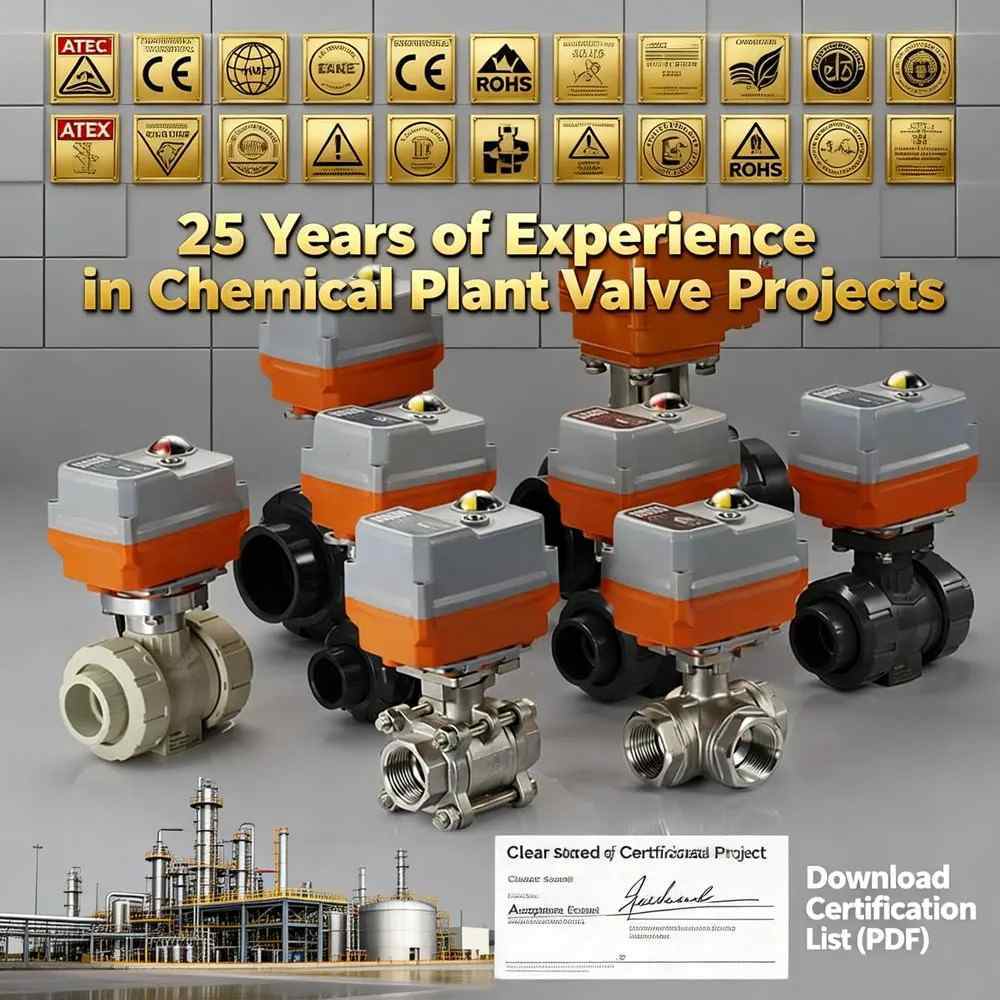
Natural gas pipeline operations are demanding because the valve is expected to do two opposite things well. It must stay stable for long periods with minimal pressure loss, and then it must move fast and decisively when the emergency shutdown system trips. In many field operations, one common cause chain is easy to recognize: pressure cycling in the line leads to internal trim vibration, vibration produces long-term wear, and worn internals create slower closing or higher leakage. A second chain appears when ambient temperature swings are strong: repeated thermal movement accelerates seal fatigue, fatigued sealing materials allow unpredictable micro-leakage, and leakage increases both safety risk and fugitive-emission exposure. Incidents such as the 2010 San Bruno gas explosion, where eight people died and crews reportedly needed 60 to 90 minutes to shut off the gas, remind the industry why rapid isolation is not a minor detail.
The Science Behind ESD Valves
Working Principles of ESD Valves
From an engineer’s perspective, an ESD valve is less about definition and more about behavior under stress. The valve is tied into instrumentation and control systems that monitor pressure, temperature, fire, gas detection, and process permissives. When a trip condition occurs, the final element has to move without argument. In standard shutdown logic, a safety shutoff valve is expected to close when control power or a key input fails. Closure performance is often specified by time as well as leakage acceptance. Reference guidance commonly notes closure-time requirements such as less than 10 seconds, together with verification of acceptable leakage through the closed valve.
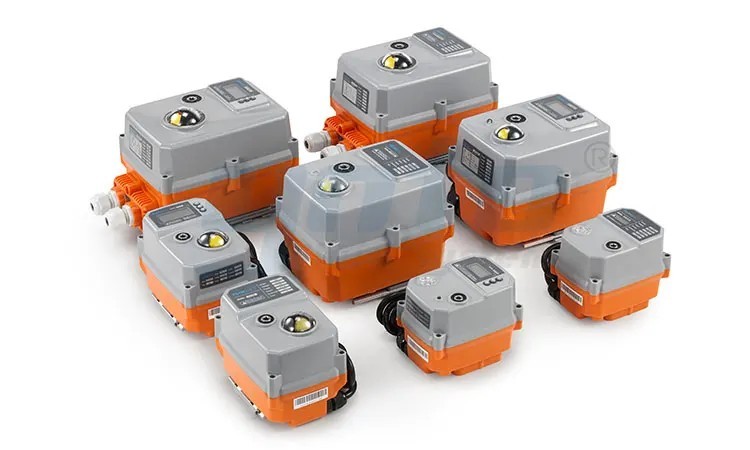
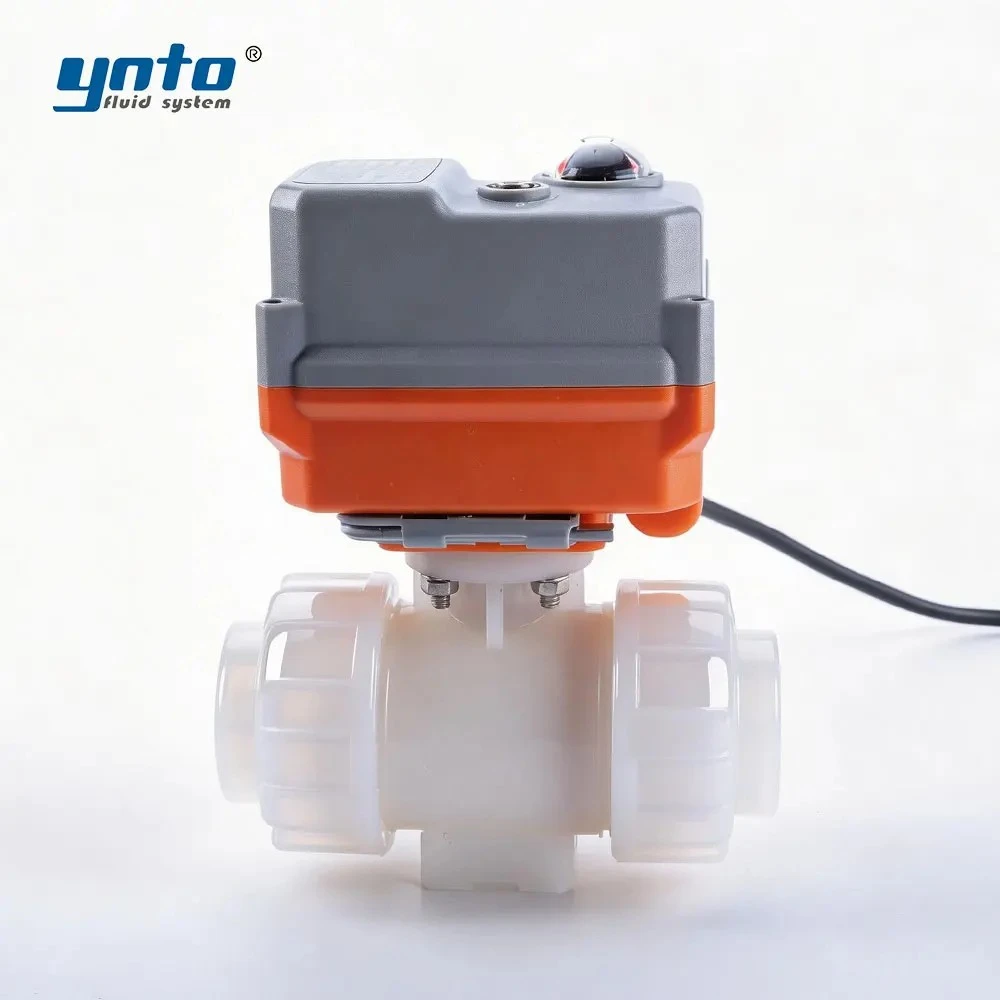
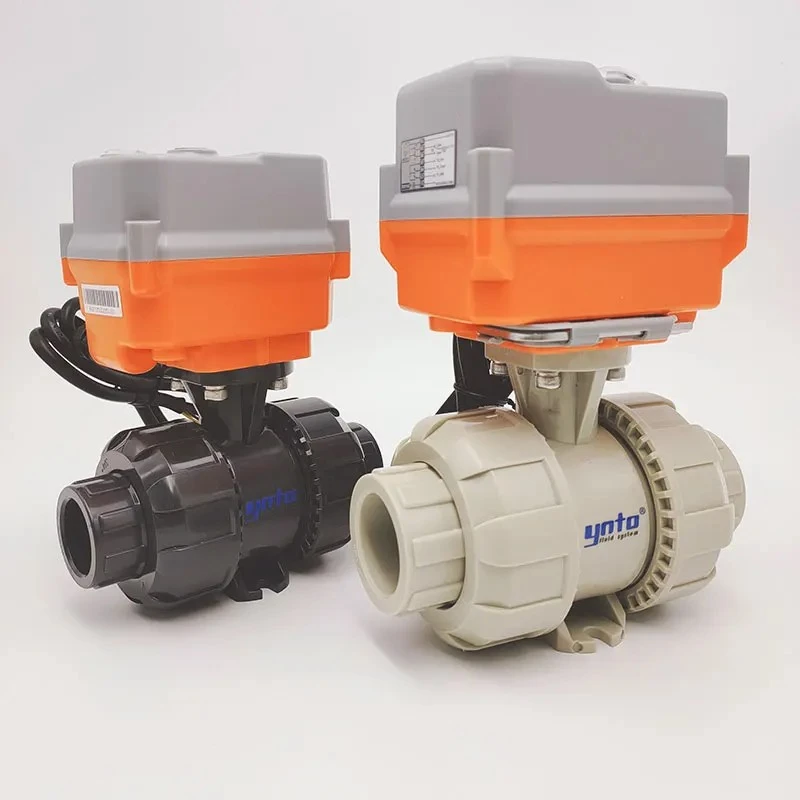
Actuator behavior is critical here. Limit switches confirm that the end position has been reached, while torque switching monitors resistance and protects the valve from overload if the closing member encounters abnormal force. That is why buyers evaluating gas shutdown packages should look closely at not only the valve body, but also the electric actuator and the feedback arrangement behind it. Position transmitters, torque sensing, and reliable end-stop logic all support proof testing and fault diagnosis before a real trip is needed.
Types of ESD Valves in Use
In natural gas duty, ball valves remain one of the most common ESD choices because the straight-through flow path keeps turbulence and pressure loss relatively low, while tight shutoff is easier to achieve with the right seat and body design. For larger diameters, butterfly valves and other quarter-turn designs are also used, especially where weight and actuation space matter. In some auxiliary gas systems, diaphragm valves may appear in analyzer panels or chemical injection branches, but for primary line-isolation duty, ball and butterfly designs dominate. Industry references also note that shutdown-valve actuation is usually pneumatic, hydraulic, or electro-hydraulic, with spring-return behavior favored because of its fail-safe nature.
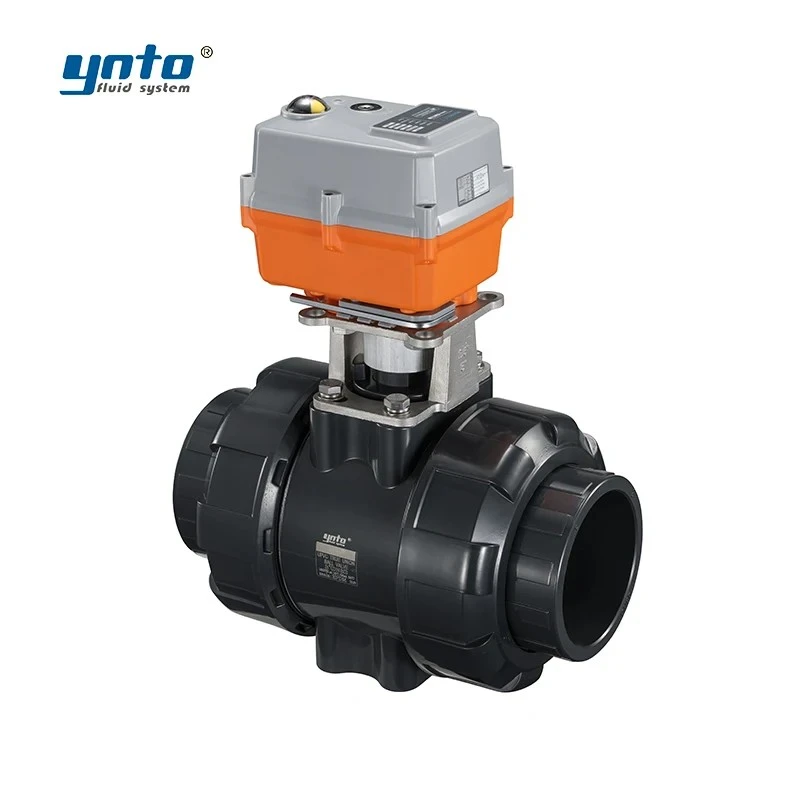
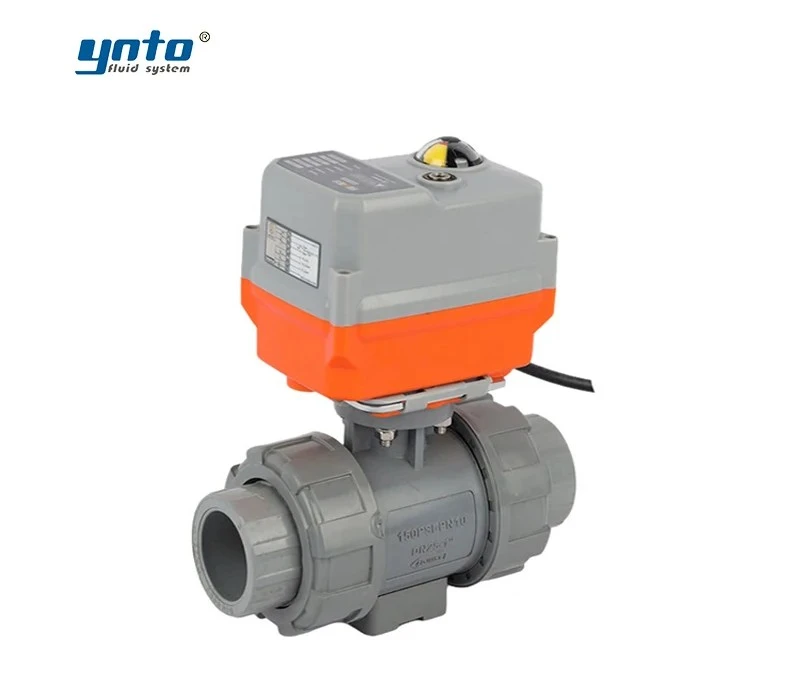
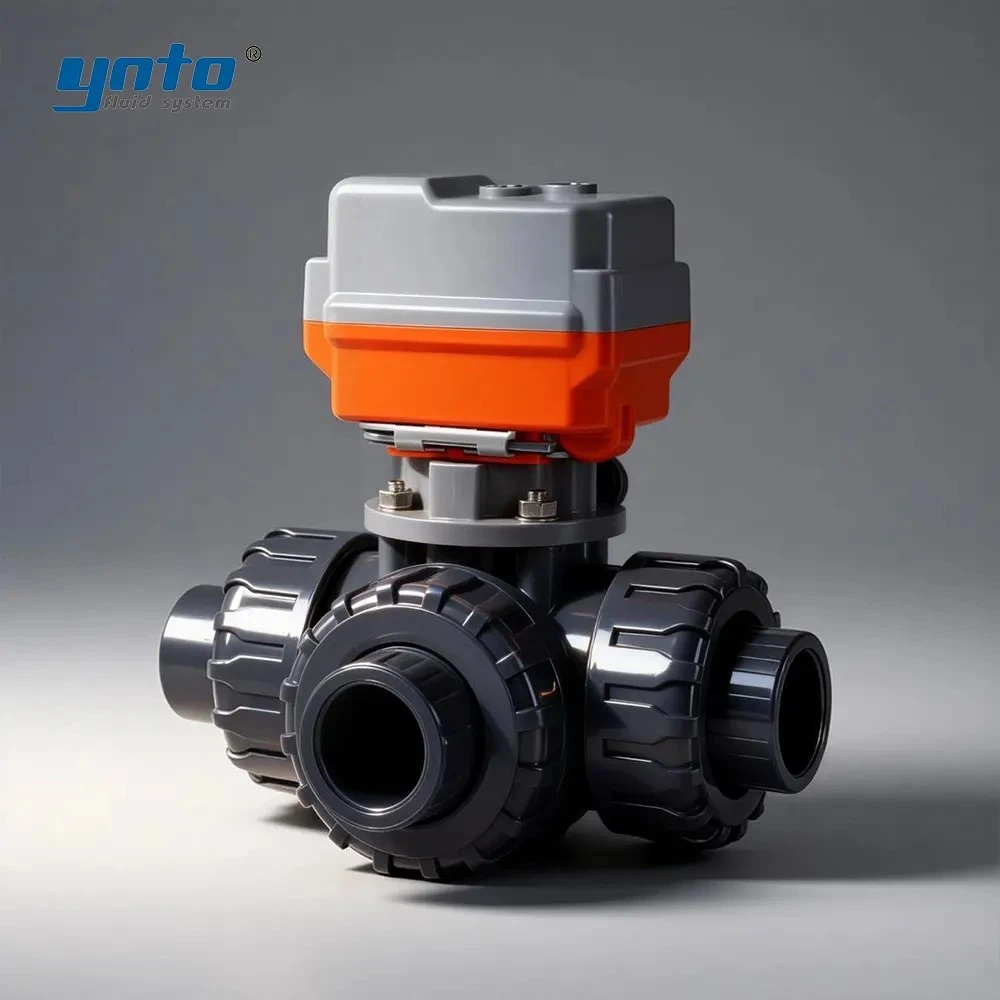
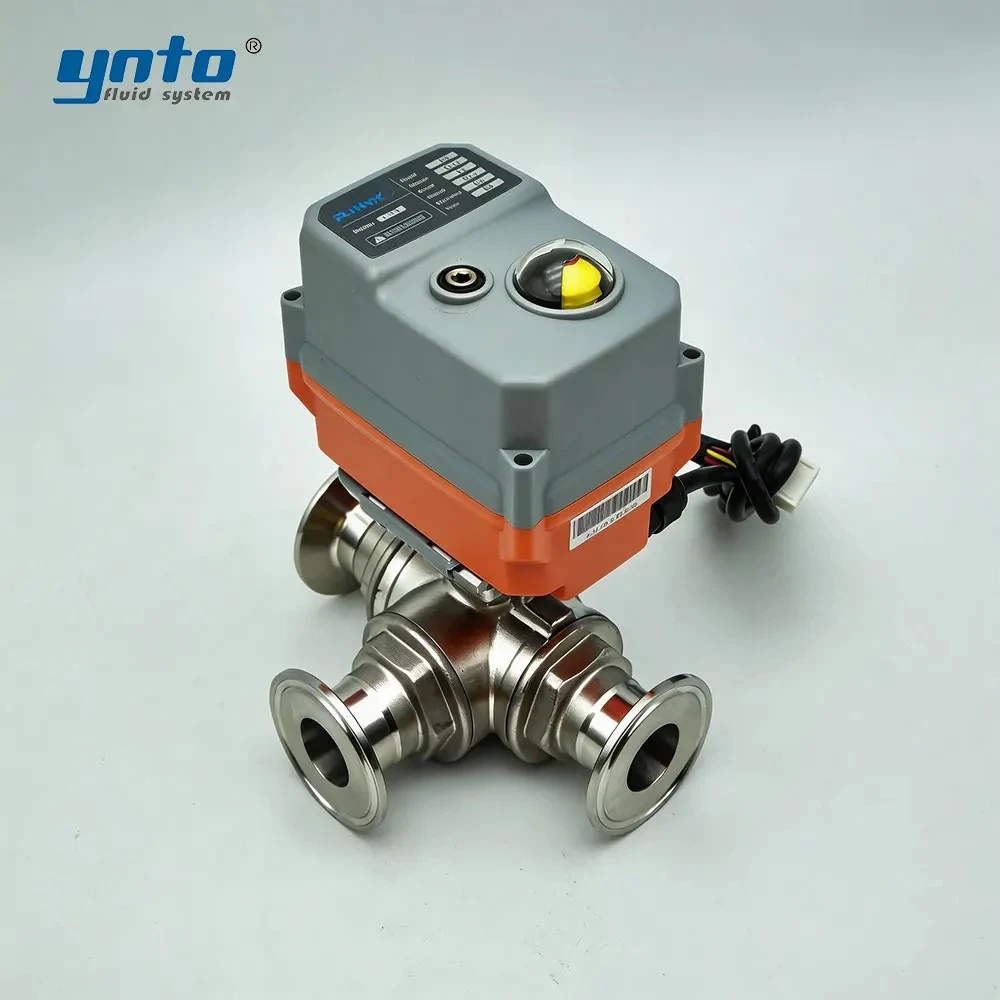
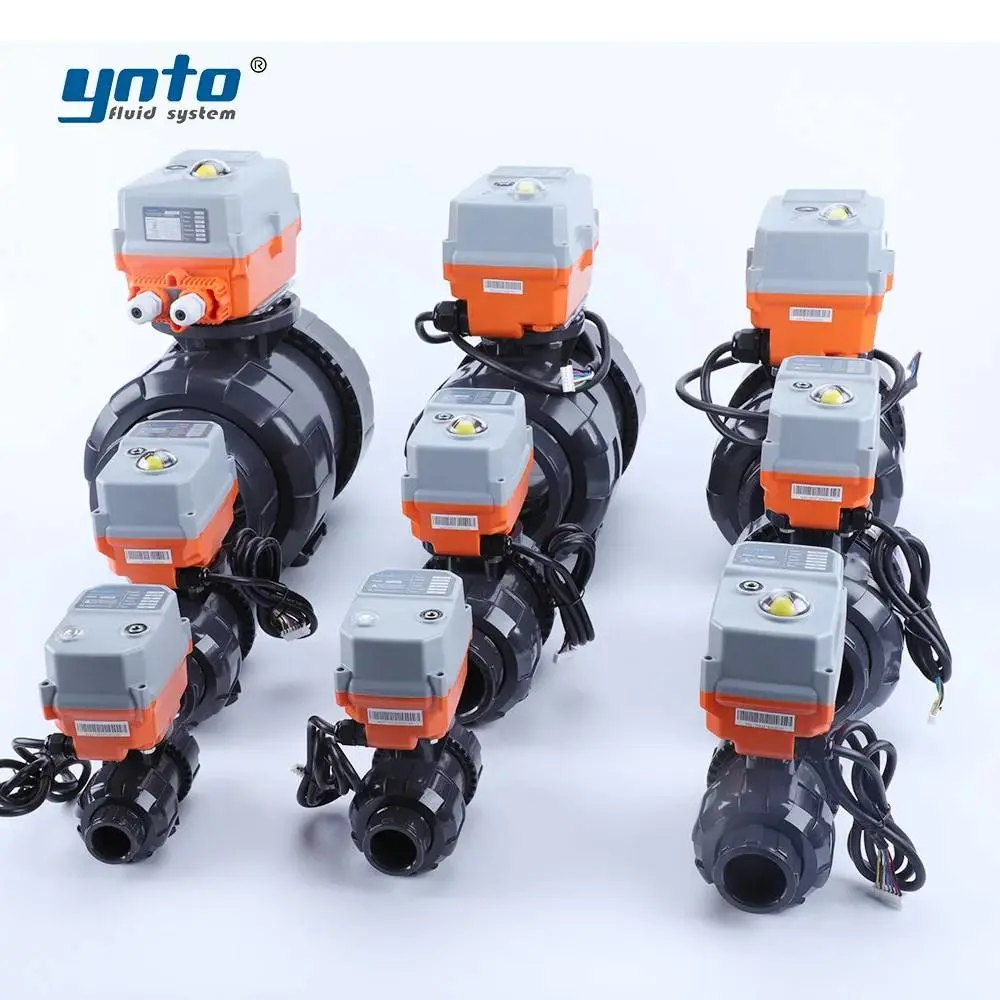
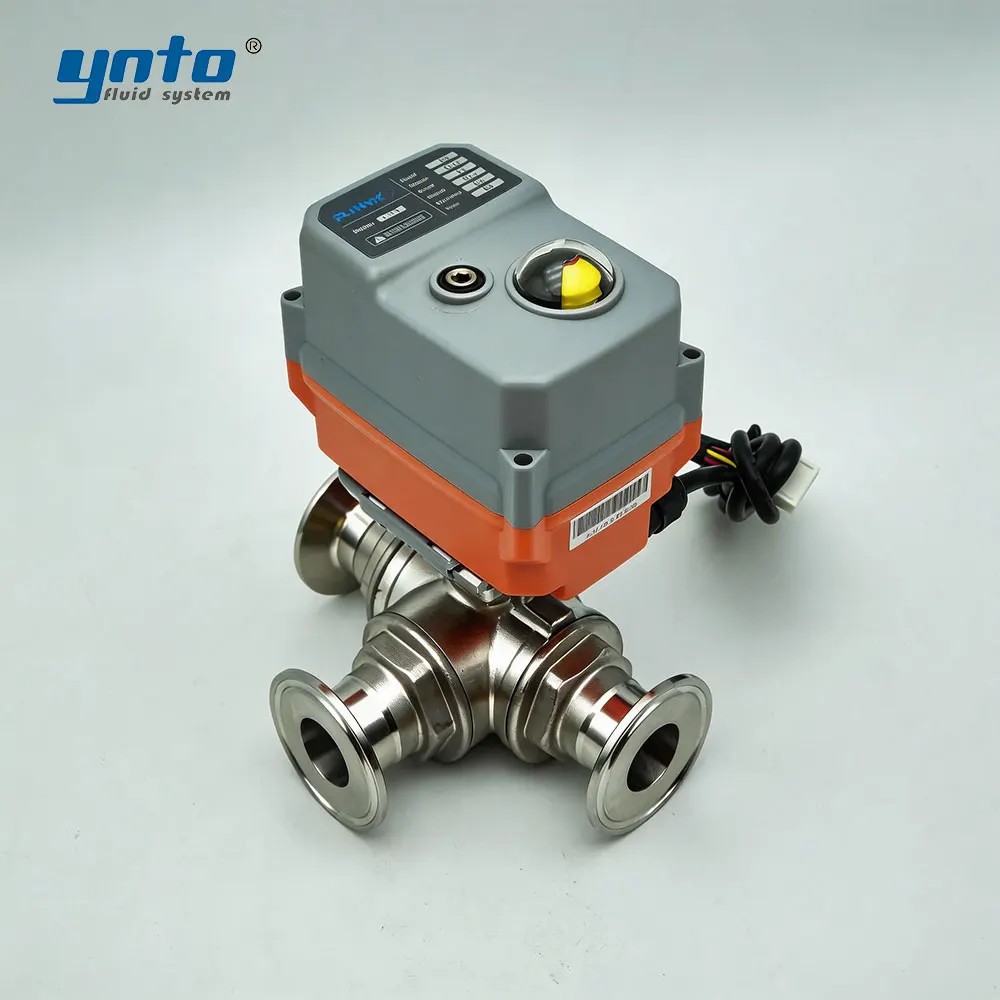
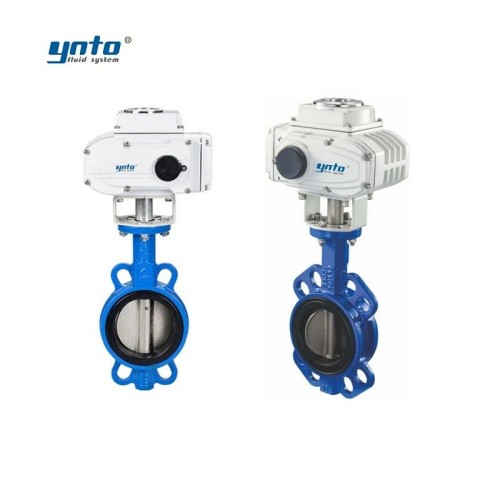
For buyers who want to simplify automation selection, YNTO offers an electric ball valve category alongside electric butterfly valves and other automation products, and its catalog also includes explosion-proof CF8 stainless steel electric three-way ball valve options plus EPDM- and PTFE-sealed butterfly valve configurations. Those details matter because material and sealing choices affect leakage stability, torque demand, and long-term reliability in industrial gas applications.
Emergency Shutdown Systems in the Gas Industry
Criticality of Emergency Shutdowns
An emergency shutdown system is only as strong as its final element. Engineers know this from commissioning work: the trip logic may be perfect on the drawing, but if the valve is sticky, oversized, or poorly maintained, the real shutoff event will not look like the simulation. Partial stroke testing became popular for precisely this reason. It allows operators to test part of the shutdown function online without forcing a full closure every time, although it does not replace full proof testing. The practice is widely used for high-integrity emergency shutdown valves, and references to IEC and ISA functional safety frameworks are common in this area.
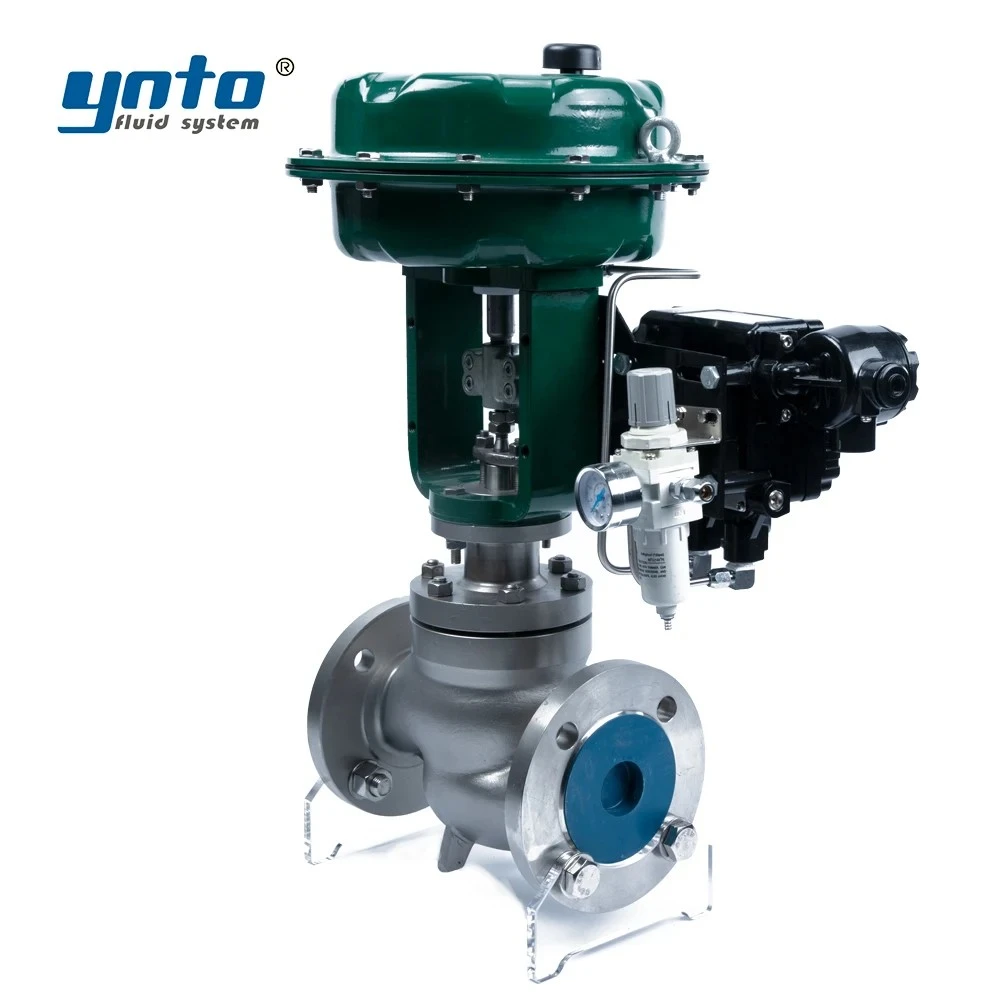
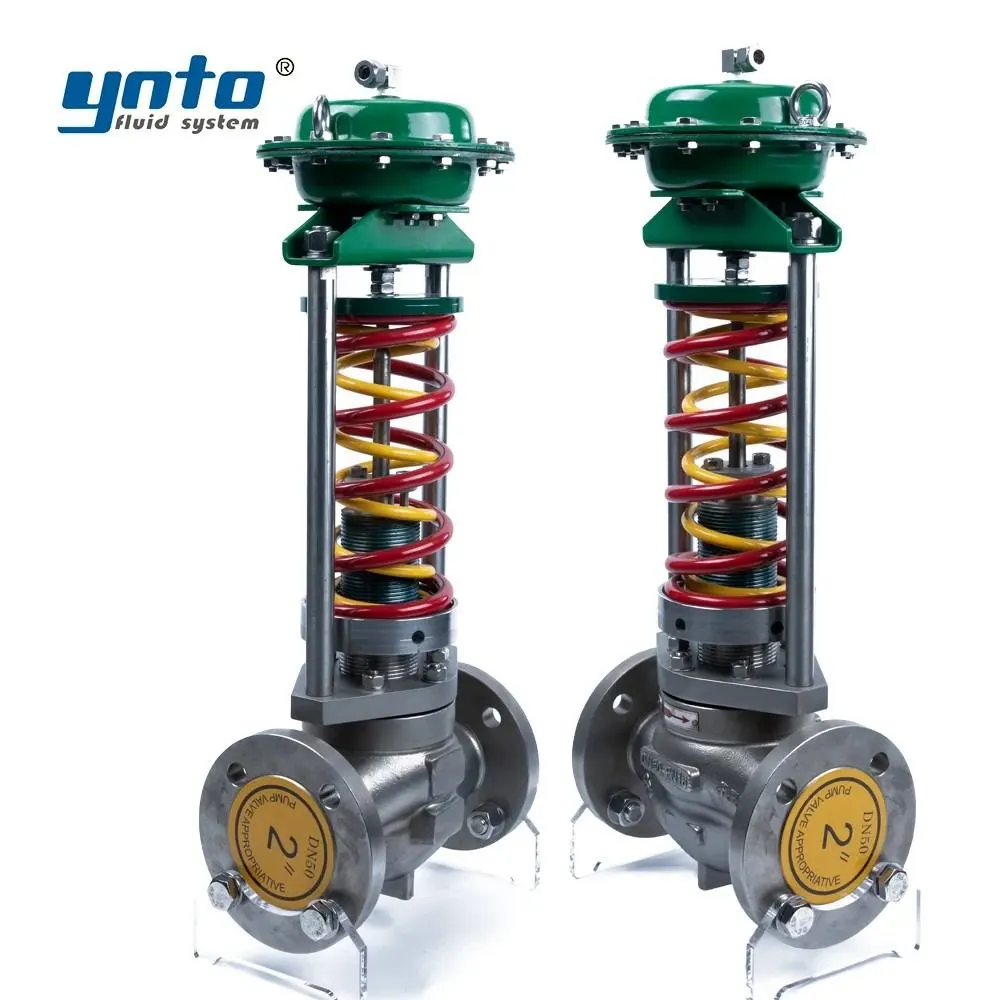
In practical procurement, this is where an engineered package helps. A line may use an on-off shutdown valve for hazard isolation and a separate control valve for normal gas flow control. That separation reduces unnecessary cycling on the ESD valve, which in turn preserves seat performance and actuator life. YNTO’s product structure reflects this split by offering distinct control-valve and automation categories rather than forcing one valve to do every job.
Case Examples of ESD Activation
Real-case experience has pushed the industry toward faster isolation and better hazard mitigation strategies. San Bruno is often cited because the fire consequences escalated while responders were still isolating the line. On the environmental side, large methane releases show why internal leakage and delayed isolation are not merely maintenance issues. The Aliso Canyon gas leak released an estimated 97,100 tonnes of methane, and it is widely reported as the worst single natural gas leak in U.S. history by environmental impact. Events like these are why operators now look harder at closure speed, remote diagnostics, partial-stroke programs, and valve-proof-test discipline.
Environmental Considerations
Conducting Environmental Impact Assessments
Environmental impact assessments for gas facilities are not limited to route maps and construction permits. In practice, they should also ask a mechanical question: if isolation is needed, how fast and how completely can the line be shut in? Methane losses, ignition risk, and the size of the affected area all depend on that answer. Engineers working on site usually do not call this “sustainability language.” They call it containment. But the meaning is the same. Faster, tighter shutdowns reduce direct emission releases and shorten exposure time for people and equipment.
Compliance with Safety and Environmental Standards
Standards shape the design in quiet ways. ASME codes influence the pressure boundary, fabrication, and inspection philosophy. Global flange compatibility still depends heavily on systems such as ASME and DIN/EN dimensions. In actuator packages, ISO 5211 remains a widely recognized mounting interface for valve-actuator connection. For pipeline-related supply chains, API 6D is one of the compliance references buyers look for, especially when discussing valves in petrochemical or line-isolation contexts. YNTO itself highlights ISO 5211 actuation standards in its regional portfolio and references API 6D compliance in petrochemical market applications, while also describing its product focus as valves built for extreme temperature, high pressure, abrasion, and corrosion service.
Material selection sits inside that compliance conversation. Carbon steel and alloy steel still dominate many gas-line bodies because strength and pressure class come first. Meanwhile, 316L is often chosen around corrosive condensate, wet gas auxiliaries, or instrument branches. PTFE, EPDM, and FKM appear where seat, lining, or secondary sealing duties demand chemical resistance or stable torque. Coatings such as FBE and, in niche corrosive environments, Halar add another layer of protection when the atmosphere is harsh. If the material is mismatched, the failure chain is familiar: corrosive exposure leads to local pitting or seal degradation, degradation raises leakage risk, and shortened service life follows. YNTO’s catalog examples, including PTFE-sealed butterfly valves, EPDM-sealed actuator valves, and 316 stainless variants, illustrate how these selections are tied directly to service conditions.
Enhancing Gas Flow Control
Technical Aspects of Flow Control
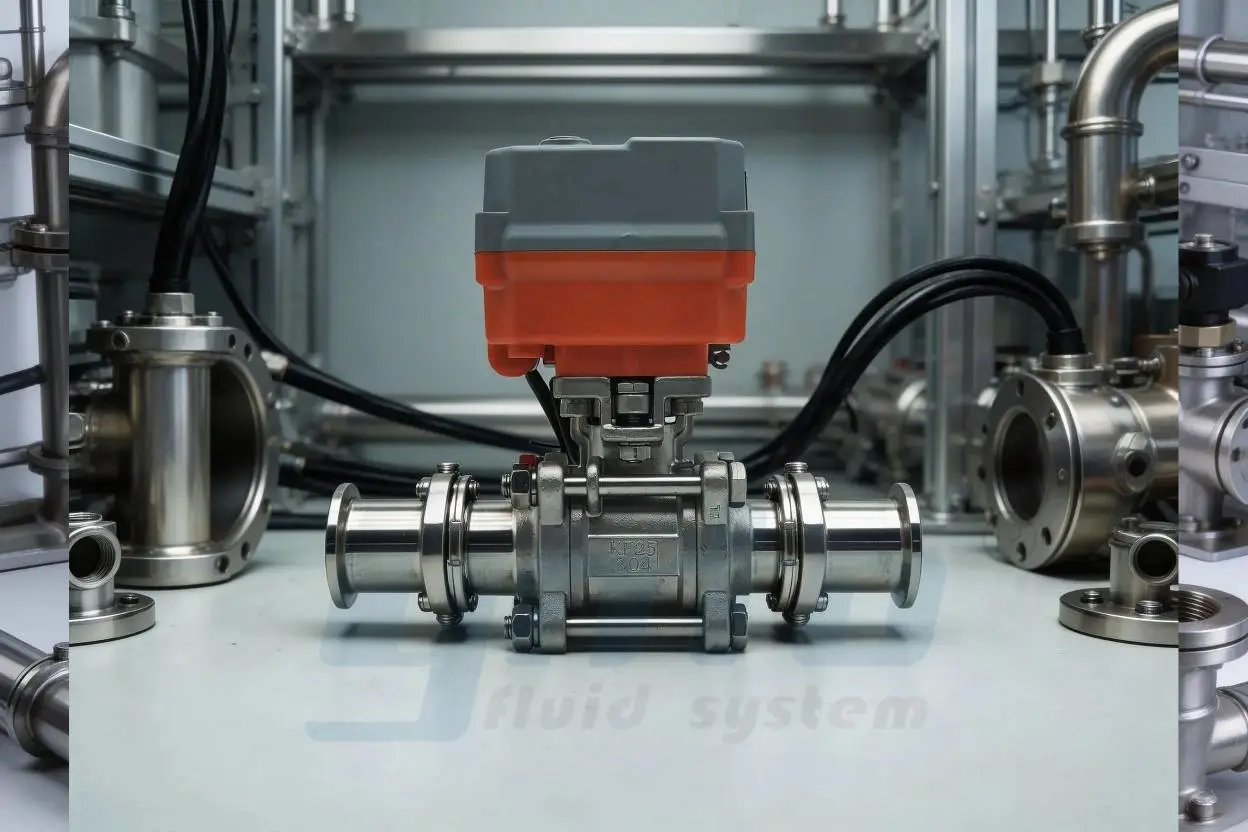
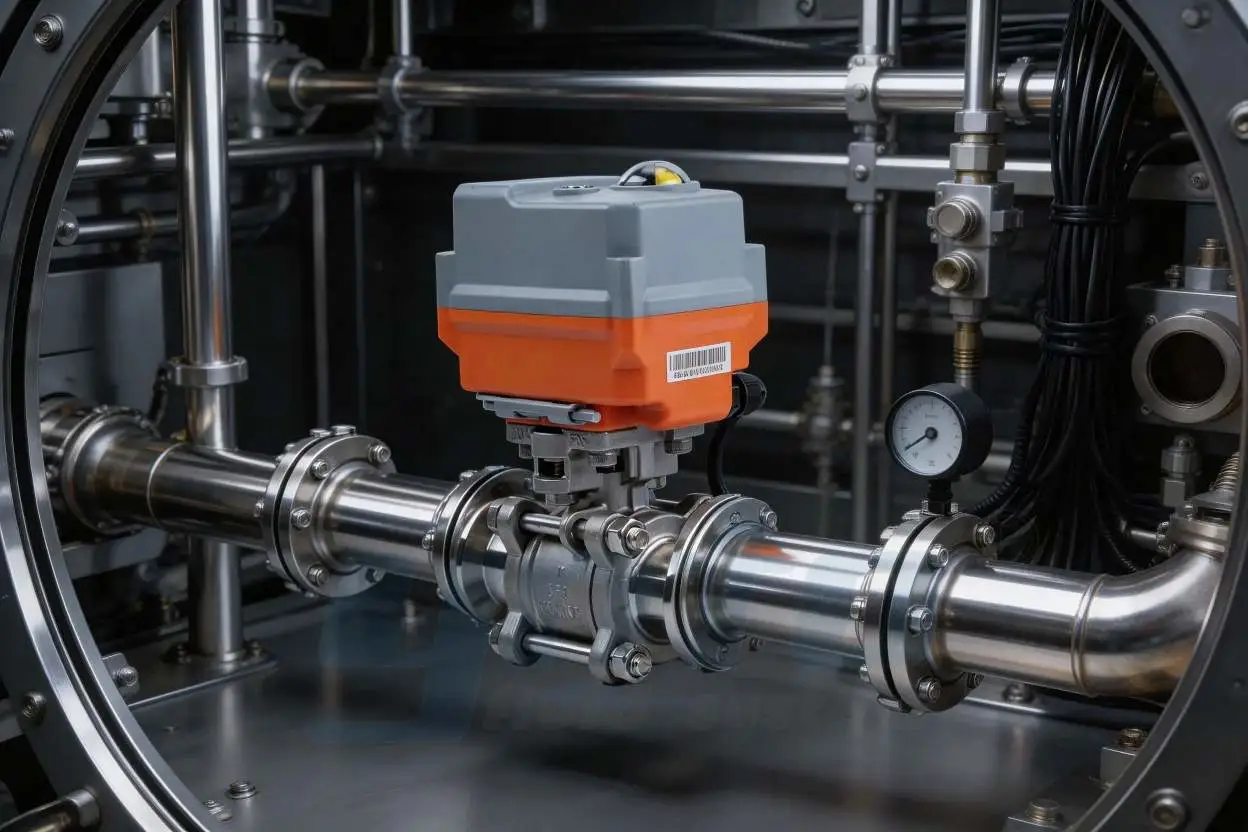
Good gas flow control starts with sizing and ends with stability. A valve that is too large may spend most of its life nearly closed, where local velocity increases and the closing element can vibrate at low flow. That unstable low-flow vibration then becomes wear, and wear later becomes sealing uncertainty. In many gas stations, the better arrangement is straightforward: let a trim-optimized control valve handle modulation while the shutdown valve remains dedicated to safety isolation. For integrated automation projects, an electric valve package with appropriate position feedback can simplify monitoring, especially where remote stations and fewer manual interventions are preferred. YNTO also promotes brushless motor technology for efficient, precise, long-life valve automation, which aligns well with the need for reliable positioning in demanding process duty.
ESD Valves and Operational Efficiency
Operational efficiency is not only about flow coefficient. It is also about avoiding false trips, preventing leakage, reducing maintenance hours, and making proof testing predictable. When the ESD valve closes consistently, the operator can run closer to intended process conditions with less margin lost to uncertainty. That matters in compressor stations, custody-transfer skids, city-gate stations, and other industrial gas applications where downtime is expensive. It also matters for safety procedures: when a line is isolated for maintenance, personnel need confidence that the pressure boundary is actually secure.
Future Trends and Innovations
Advancements in ESD Valve Technology
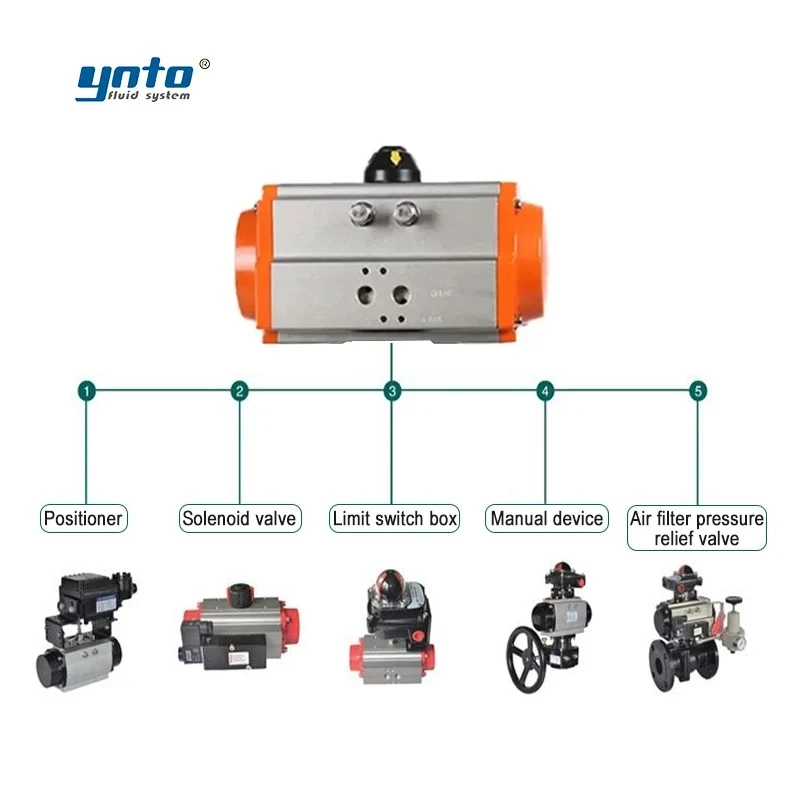
The next wave of ESD valve technology is moving toward better diagnostics rather than simply heavier hardware. More systems are integrating valve position, torque, stroke time, and solenoid health into one maintenance view. That means engineers can spot rising friction or sluggish travel before it becomes a shutdown failure. YNTO’s portfolio already points in that direction with automation accessories such as solenoid valves, limit switches, and actuator platforms, as well as a broader line of pneumatic and electric automation products.
Emerging Best Practices in Gas Applications
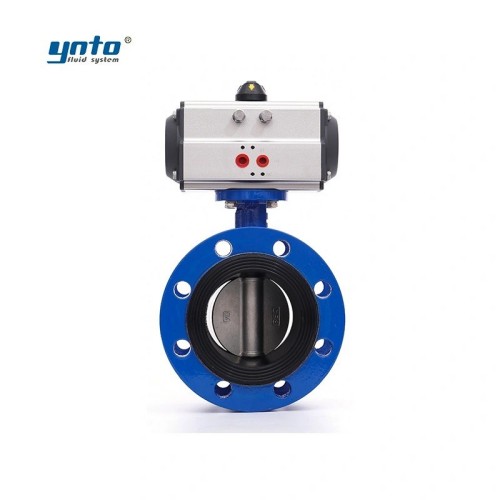
Best practice today is not complicated, but it is disciplined. Separate the control function from the safety function where possible. Match body and seal material to the real gas chemistry and site environment. Verify closure time, not only nameplate torque. Use partial-stroke testing intelligently, but do not skip full proof tests. And when the duty calls for fast fail-safe action, choose an actuator system that is sized for real-field friction, not ideal laboratory numbers. For buyers building or upgrading shutdown packages, YNTO’s pneumatic actuator range, together with its electric valves, control valves, and gas-suitable quarter-turn platforms, provides a practical starting point for specifying a safer and more reliable valve assembly.
- 2026-09-07 09:14:41
- 2026-09-04 10:03:12
- 2026-09-02 10:16:58